- Get to Know FRLS
- Get Updated
- …
- Get to Know FRLS
- Get Updated
- Get to Know FRLS
- Get Updated
- …
- Get to Know FRLS
- Get Updated
Recovering From Disasters
Disaster recovery begins the minute the storm ends. Review the disaster legal resources that can help you and your family get back on your feet as quickly as possible.
Know what aid could be afforded to you after a hurricane in Florida.
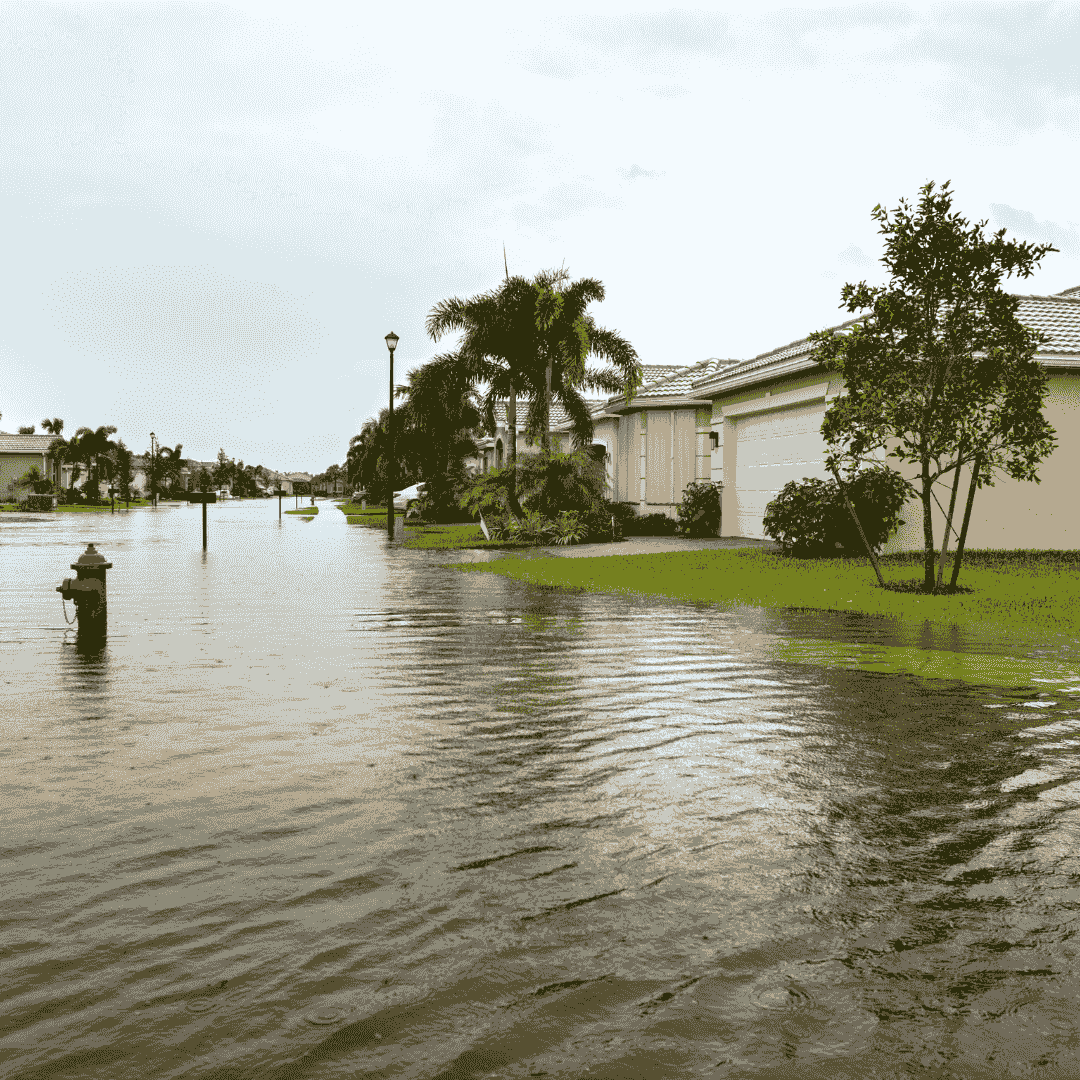
DISASTER SNAP BENEFITS
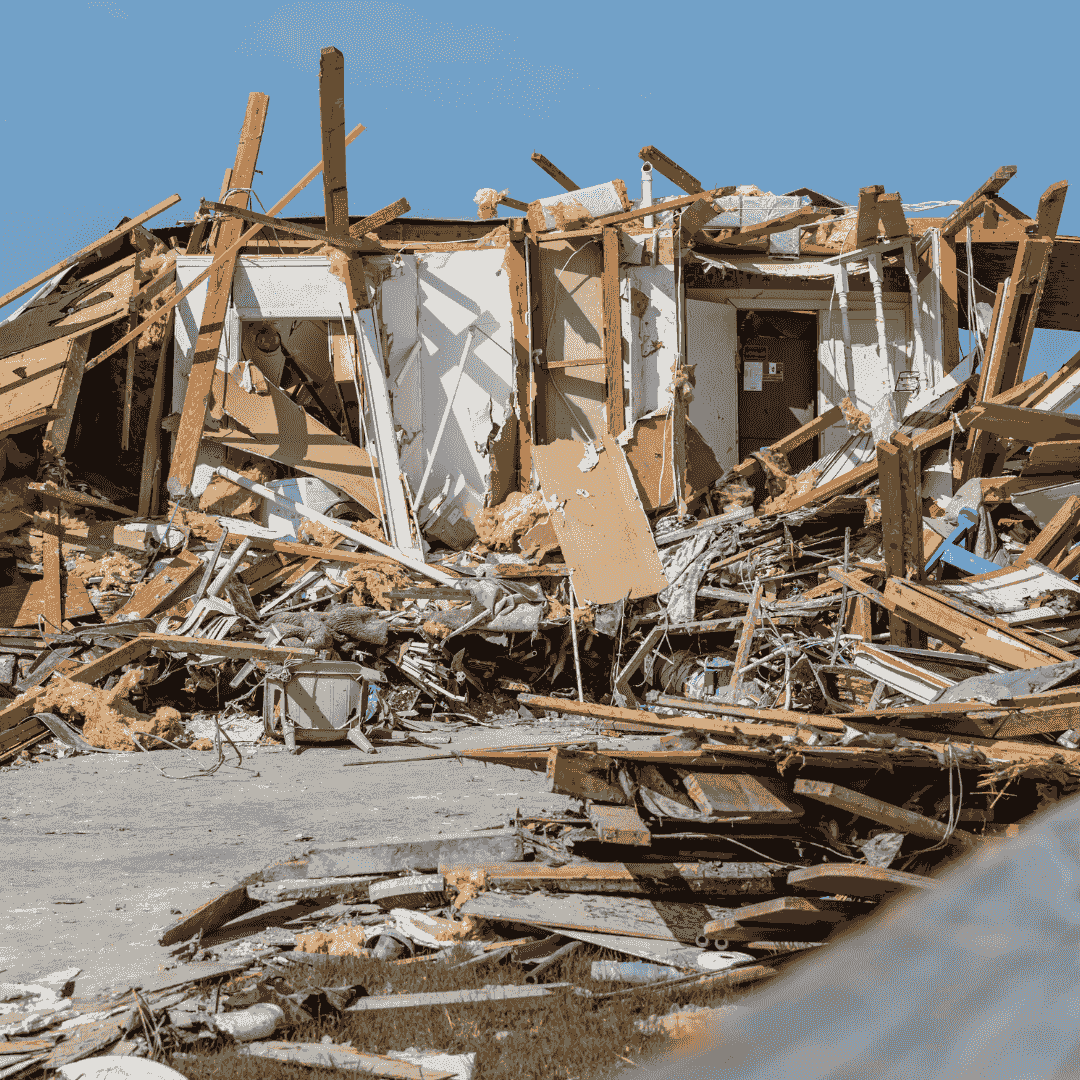
DISASTER UNEMPLOYMENT (DUA)
FEMA ASSISTANCE
Resources
Last updated June 26, 2026
Types of FEMA Assistance
The Federal Emergency Management Agency (FEMA) assistance under disaster declarations falls into three general categories:
- Individual Assistance: Aid to individuals and households triggered by major disaster declarations.
- Public Assistance: Aid to public and certain private nonprofit entities. This funding is for certain emergency services and the repair or replacement of disaster-damaged public facilities.
- Hazard Mitigation Assistance: Funding for measures designed to reduce future losses to public and private property.
The determination of which programs are authorized is based on the types of assistance specified in the governor’s or tribal government’s request and on the needs identified during the preliminary damage assessment.
Several other types of individual assistance — such as disaster legal services, unemployment, food security, and more — are provided or overseen by FEMA, the Small Business Administration (SBA), the U.S. Department of Agriculture, and the U.S. Department of Labor, typically in conjunction with local and state administration.
Applying for FEMA Benefits (Before March 2024)
Disaster survivors can apply to receive assistance through FEMA’s Individuals and Households Program. Examples of services/assistance include temporary housing, emergency home repairs, compensation for food, personal property losses, medical, dental, and funeral expenses caused by a disaster.
Who can apply to FEMA? U.S. Citizens, permanent residents/green card holders, and other qualified immigrants, such as refugees or asylees.
When can you apply? You must apply for FEMA assistance within 60 days of the Presidential Disaster Declaration and approval of assistance for individuals.
To Apply:
Call 1-800-621-3362
Visit www.DisasterAssistance.gov
Applying for FEMA Benefits (After March 2024)
On March 22, 2024, FEMA implemented significant updates to disaster assistance.
Read about the updates here: https://www.fema.gov/assistance/individual/2024-reform
To Apply:
Call 1-800-621-3362
Visit www.DisasterAssistance.gov
Download the FEMA app
How to Appeal FEMA Decision
If you were affected by a disaster declared before March 22, 2024, you are required to submit a signed appeal letter explaining why you think the decision about the amount or type of assistance you received is incorrect.
This letter is in addition to your new or additional information or documents not previously submitted. You, or your co-applicant, must sign the letter. You may also send in the signed appeal form instead of a letter.
If you were affected by a disaster declared after March 22, 2024, you will no longer need to provide a signed, written appeal letter to accompany the supporting documentation.
Visit https://www.fema.gov/fact-sheet/how-appeal-fema-decision for a guide on how to appeal a FEMA decision.
What does FEMA Individual Benefits cover?
FEMA's Individuals and Households Program Assistance may include:
- Funds for temporary housing while you are unable to live in your home, such as rental assistance or reimbursement for hotel costs
- Funds to support the repair or replacement of owner-occupied homes that serve as the household’s primary residence, including privately-owned access routes, such as driveways, roads, or bridges
- A temporary housing unit, if approved for the disaster, when you are not able to use rental assistance due to a lack of available housing resources
- Funds for hazard mitigation assistance to help eligible homeowners repair or rebuild stronger, more durable homes
- Funds for other uninsured or under-insured disaster-caused expenses and serious needs
Read more about FEMA's Individuals and Households Program here: https://www.fema.gov/assistance/individual/program
What is Disaster Unemployment Assistance (DUA)?
The purpose of Disaster Unemployment Assistance (DUA) is to provide benefits and reemployment services to individuals whose employment or self-employment was lost or interrupted as a result of a major disaster.
You may be eligible for Disaster Unemployment Assistance; if you:
- are unemployed as a direct result of Hurricane Ian;
- were scheduled to start a new job but were unable to as a direct result of Hurricane Ian;
- are unable to reach your job or self-employment location because you have to travel through an affected area and Hurricane Ian prevented this;
- have become the primary breadwinner because the head of the household died as a direct result Hurricane Ian; or
- are unable to work because of an injury that was a direct result of Hurricane Ian.
What is the Disaster Supplemental Nutrition Assistance Program (D-SNAP)?
The Disaster Supplemental Nutrition Assistance Program (D-SNAP) provides food assistance for individuals and families impacted by a recent disaster and who are not receiving food assistance benefits through the regular Supplemental Nutrition Assistance Program (SNAP).
How do I qualify?
To qualify for D-SNAP benefits, the household must:
- Live in a designated disaster area;
- have food loss, damage to home or self-employment property, a delay, reduction, or loss of income due to the disaster, or have disaster-related expenses;
- have available assets and income less than the limits required for this program;
- complete a D-SNAP application during the designated period, and
- provide proof of identity.
Insurance Claims
After the storm, you are advised to:
- File all claims directly with your insurance company.
- Contact your insurance company before entering into any contract for repairs to confirm any managed repair policy provisions or optional preferred vendors.
- Make and document emergency repairs that are necessary to prevent further damage. Keep the damaged property, if feasible, keep all receipts, and take photographs or video of damage before and after any repairs to provide to your insurer.
- Carefully read any contract that requires you to pay out-of-pocket expenses or a fee that is based on a percentage of the insurance proceeds that you will receive for repairing or replacing your property.
- Confirm that the contractor you choose is licensed to do business in Florida. You can verify a contractor’s license and check to see if there are any complaints against him or her by calling the Florida Department of Business and Professional Regulation. You should also ask the contractor for references from previous work.
- Require all contractors to provide proof of insurance before beginning repairs.
- Take precautions if the damage requires you to leave your home, including securing your property and turning off your gas, water, and electricity, and contacting your insurance company and provide a phone number where you can be reached.
Locate Loved Ones
Call 211 for reunification services
The American Red Cross can help your family members reconnect: https://www.redcross.org/get-help/disaster-relief-and-recovery-services/contact-and-locate-loved-ones.html
Replace Lost Documents
How do I replace my driver's license?
Driver's licenses can be renewed online here: https://www.flhsmv.gov
Or by visiting your local DMV office.
How do I replace my Social Security Card?
- There is not a current emergency procedure to replace a Social Security card. You need to complete an Application for a Social Security Card (Form SS-5).
- You need another form of identification, such as a driver's license. This process is explained on the Social Security website at www.ssa.gov. You can also call 1-800-772-1213 or visit a local Social Security office.
What else can serve as proof of identity?
Passport, Employer ID, School ID, Marriage or divorce record, Military ID, Adoption record, Life insurance policy, or Health insurance card.
Applying for FEMA Assistance
How to Apply for Disaster Assistance
American Sign Language (ASL)
Disaster Services Funded In Part By:

The information provided on this website does not, and is not intended to, constitute legal advice; instead, all information, content, and materials available on this site are for general informational purposes only.
Sponsor Recognition Disclaimer
Florida Rural Legal Services, Inc. (FRLS) is a 501(c)(3) tax-exempt nonprofit organization. We gratefully acknowledge the generous support of our sponsors and partners. In accordance with IRS regulations and Florida Statute 496.411, all sponsor recognition provided by FRLS is value-neutral and non-promotional.
Sponsor acknowledgments may include the sponsor’s name, logo, website, contact information, and general location. FRLS does not promote, endorse, or advertise any sponsor’s services or products. No calls to action, qualitative claims, pricing information, or comparative language will be used in any recognition content. This ensures full compliance with charitable solicitation laws and helps protect the integrity of our mission. For questions regarding sponsorship or this policy, please contact the FRLS Marketing & Communications Department at Marketing@FRLS.org .
Service areas: Lee, Polk, Palm Beach, St. Lucie, Martin, Okeechobee, Indian River, Highlands, Hardee, Hendry, Charlotte, Desoto, and Glade Counties.
© 2025